
The outdoor classroom
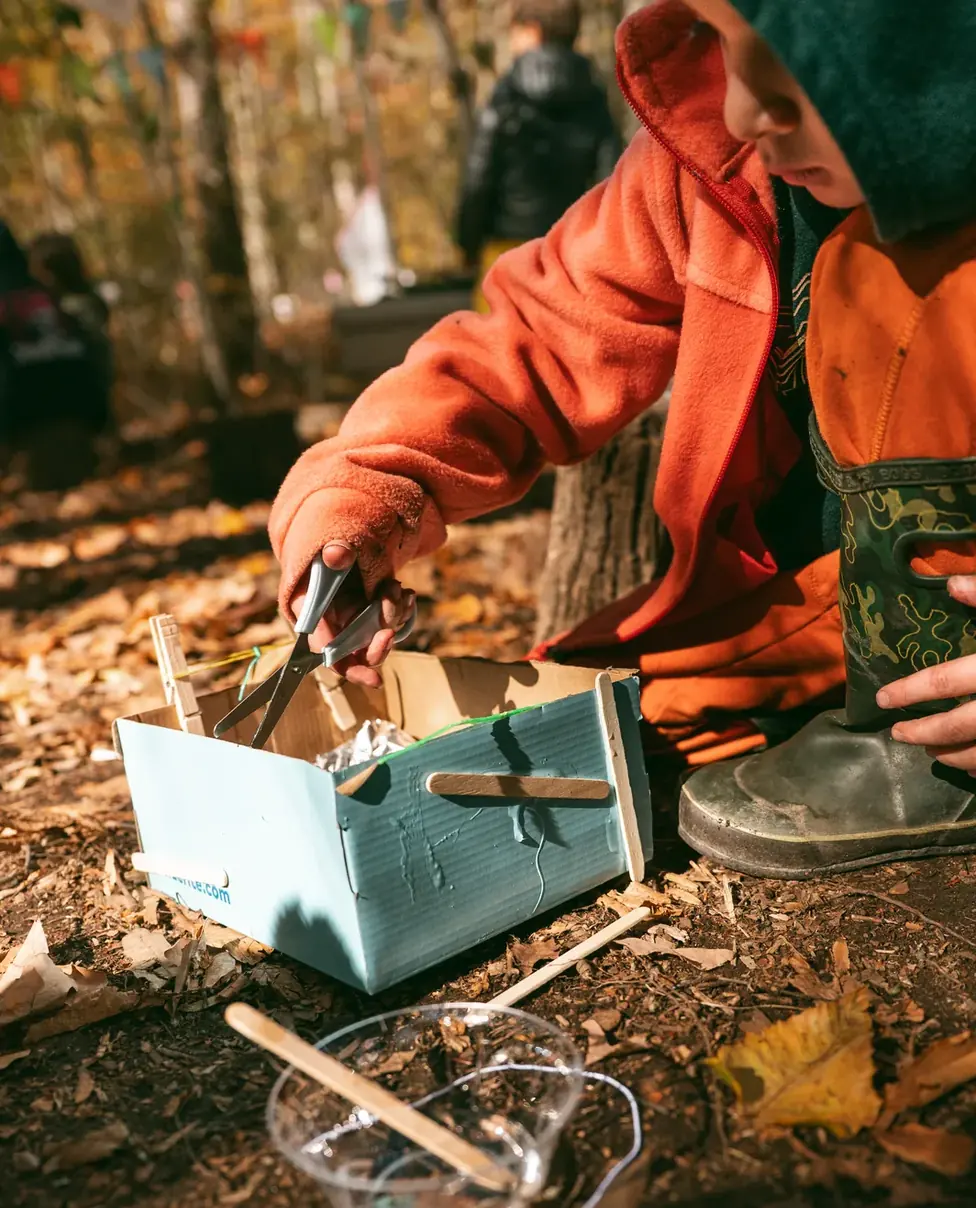
Our outdoor classroom is set in a landscape of forests, open meadows, and mountain trails. Children ages 7 to 9 follow the changing seasons, observe wildlife, and build real wilderness and stewardship skills through hands-on work outdoors.
- GroupAges 7 to 9
- Sessions12 to 13 weeks, Monday to Thursday, 9:30 to 2:30
- WhereOur forest site in Hewitt, NJ
In the program
What your child will do
1
Conservation projects
Junior Naturalist 1 is where stewardship begins. Children take part in real conservation work alongside our partners: trail maintenance, invasive plant removal, native planting, and habitat monitoring. They learn that they can have a real effect on the places they love.
- Hands-on conservation projects with measurable outcomes
- Field guides students create themselves
- An introduction to phenology, ecology, and species identification
- Pride and ownership in caring for the land
2
Wildlife tracking and observation
Junior Naturalists learn to read the forest like a book, spotting animal tracks, identifying scat, listening for bird calls, and noticing the small clues that reveal who lives where. Curiosity becomes craft.
- Tracking skills taught by experienced naturalists
- Bird identification by sight and song
- Plant identification through seasonal field walks
- Citizen science contributions to local datasets
3
Leave no trace ethics
Wilderness ethics are woven into the fabric of the program. Students learn the seven Leave No Trace principles in practice: planning ahead, respecting wildlife, leaving what they find, and minding their impact.
- Leave No Trace principles taught through real practice
- Decision making in the field rather than memorization
- Respect for other trail users, wildlife, and the land
- An ethic of care that follows them off the trail
4
Adventure journaling
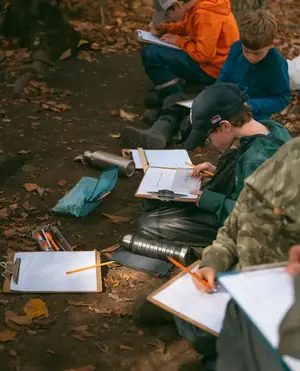
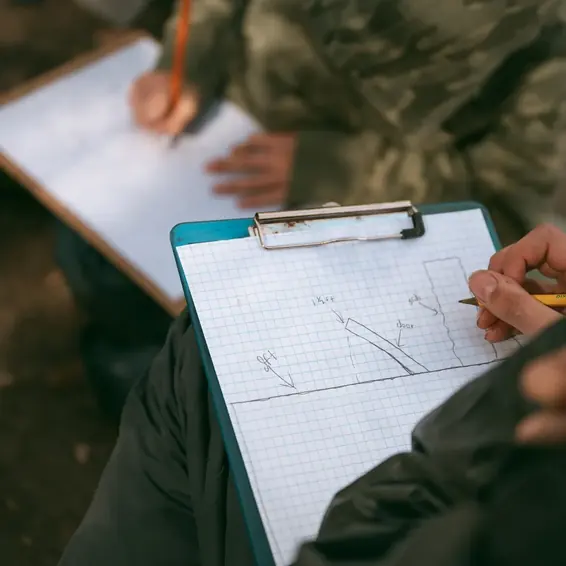
Each Junior Naturalist keeps a personal field guide, a record of observations, sketches, questions, and findings. They learn to communicate what they have seen through writing, drawing, and storytelling.
- Personal field journals kept across the year
- Sketching, mapping, and scientific note taking
- Storytelling and presentation skills
- Reflection rituals that build self knowledge
★★★★★
The controlled risky play has built their self esteem and resilience. They spend their days learning not just about nature and how to care for their environment, but also about survival and life skills.
★★★★★
This is by far the most amazing forest school program. My homeschool children have thrived by attending. The woman who founded Sensory Garden and Play is so knowledgeable and kind. She knows each child enrolled personally and their strengths and interests.
Every age group
Find the right group
Three steps to your child's first day
1
Book a tour
Visit the forest site, meet our educators and ask your questions. Send us a note or call (201) 213-4072 to set a time.
2
Register
When you are ready, complete registration for the program and the days that suit your family.
3
First day
Pack using our family checklist and join your group in the woods. Our educators help new children settle in with familiar routines.
Come see this group in the woods
Book a time to walk the forest site with us. We are happy to talk through whether this group is the right fit for your child.